Friendsgiving for Seniors: A Heartwarming Alternative to Thanksgiving That Builds Community and Joy
Introduction: Redefining the Holiday Table
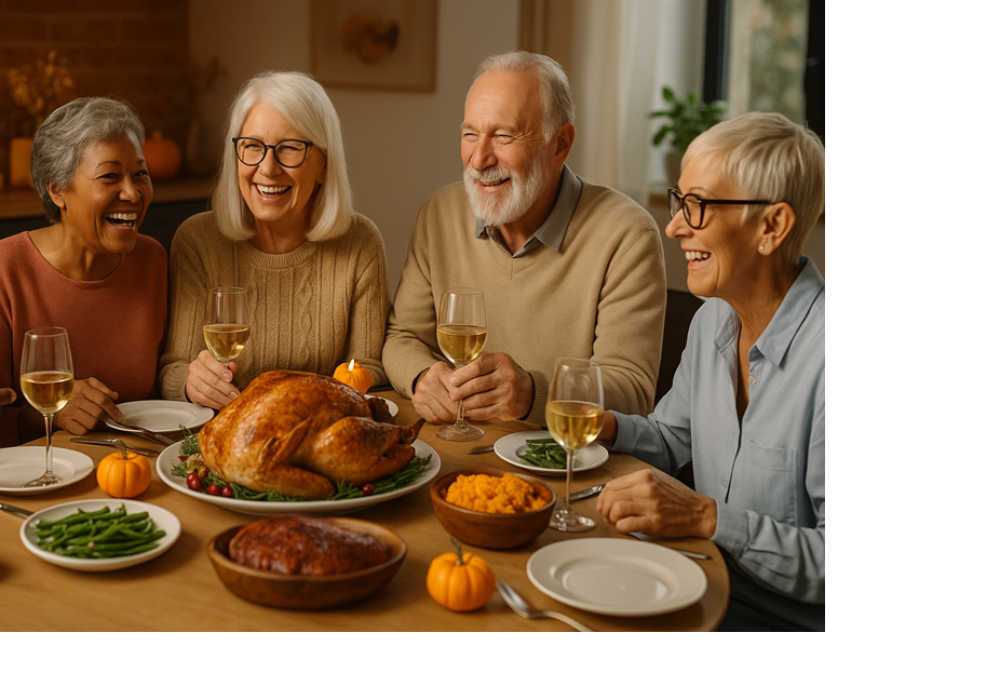
Thanksgiving has long been a cherished American tradition centered around family gatherings, turkey feasts, and gratitude. But in recent years, a new celebration has emerged: Friendsgiving. This modern twist on Thanksgiving emphasizes friendship, inclusivity, and community. For seniors—especially those aging in place or residing in senior communities, independent living, assisted living or memory care —Friendsgiving offers a refreshing, joyful alternative that can ease loneliness and foster meaningful connections.
What Is Friendsgiving?
Friendsgiving is essentially Thanksgiving celebrated with friends instead of (or in addition to) family. It can take place in the weeks leading up to or following Thanksgiving or on Thanksgiving day giving people flexibility to gather without conflicting with family obligations. The focus is less on tradition and more on togetherness, laughter, and shared meals.
Key features of Friendsgiving include:
-
Flexible timing: Often held before or after Thanksgiving.
-
Potluck-style meals: Guests contribute dishes, making it less stressful for hosts.
-
Creative menus: Traditional turkey is welcome, but so are casseroles, soups, or international dishes.
-
Inclusive atmosphere: Friendsgiving welcomes everyone, regardless of family ties.
How Friendsgiving Differs from Thanksgiving
While both holidays share themes of gratitude and food, Friendsgiving differs in several important ways:
| Aspect | Thanksgiving | Friendsgiving |
|---|---|---|
| Focus | Family-centered | Friendship and community |
| Date | Always the fourth Thursday in November | Flexible, often before or after Thanksgiving |
| Tradition | Rooted in American history and rituals | Modern, casual, customizable |
| Meal Style | Traditional turkey, stuffing, pies | Potluck, creative dishes, dietary flexibility |
| Atmosphere | Formal or family-oriented | Relaxed, inclusive, often playful |
For seniors, this difference is crucial. Friendsgiving removes the pressure of family obligations and instead emphasizes companionship, making it especially valuable for those who may be far from relatives or living in senior communities.
Why Friendsgiving Is a Great Alternative for Seniors
Loneliness among older adults is a growing concern. Holidays, while joyful for many, can intensify feelings of isolation for seniors who live alone or whose families are far away. Friendsgiving provides a solution by creating opportunities for connection and celebration.
Benefits for Seniors
-
Combatting loneliness: Sharing a meal with peers fosters belonging.
-
Flexibility: Seniors can celebrate without the stress of travel or rigid schedules.
-
Inclusivity: Friendsgiving welcomes neighbors, caregivers, and community members.
-
Empowerment: Seniors can contribute dishes, stories, or traditions, reinforcing their sense of purpose.
-
Joyful atmosphere: The casual, lighthearted vibe makes it less intimidating than formal family gatherings.
How Seniors Can Participate in Friendsgiving
1. Hosting a Friendsgiving in a Senior Community
Many retirement communities already organize group meals. Seniors can take the lead by:
-
Suggesting a Friendsgiving potluck.
-
Decorating common areas with autumn-themed crafts.
-
Sharing favorite recipes or family traditions.
-
Encouraging storytelling sessions where each guest shares a gratitude moment.
2. Attending a Friendsgiving with Friends or Neighbors
For seniors living independently, Friendsgiving can be as simple as:
-
Joining a neighbor’s gathering.
-
Organizing a small dinner with close friends.
-
Participating in church or community center events.
3. Virtual Friendsgiving
Technology makes it possible to celebrate even from afar. Seniors can:
-
Join video calls with friends while enjoying their own meal.
-
Share recipes and cook “together” virtually.
-
Play online games or trivia during the gathering.
4. Contributing to the Celebration
Participation doesn’t require hosting. Seniors can:
-
Bring a dish (homemade or store-bought).
-
Share music, poems, or stories.
-
Help with decorations or table settings.
-
Offer blessings or lead gratitude reflections.
Practical Tips for Seniors Celebrating Friendsgiving
-
Keep it simple: Potluck meals reduce stress. Seniors can prepare easy dishes like salads, casseroles, or desserts.
-
Focus on accessibility: Ensure seating, lighting, and serving arrangements are senior-friendly.
-
Add creative touches: Handwritten gratitude notes, photo boards, or memory-sharing activities enrich the experience.
-
Plan for inclusivity: Invite neighbors, caregivers, or staff members to join.
-
Balance tradition and creativity: Seniors can enjoy classic Thanksgiving dishes while experimenting with new recipes.
Emotional and Social Impact
Friendsgiving is more than just a meal—it’s a celebration of chosen family. For seniors, it reinforces the idea that community is not limited to blood relatives. It’s about building bonds with those who share daily life, whether in a retirement home, neighborhood, or social group.
By participating, seniors experience:
-
Renewed sense of belonging
-
Opportunities to share wisdom and stories
-
Moments of laughter and joy
-
Strengthened friendships that extend beyond the holiday season
Conclusion: A Celebration of Friendship and Gratitude
Friendsgiving is a modern tradition that beautifully complements Thanksgiving. For seniors, it offers a chance to celebrate without the stress of travel or family obligations, focusing instead on friendship, community, and joy. Whether hosted in a senior living community, shared with neighbors, or celebrated virtually, Friendsgiving provides older adults with meaningful opportunities to connect, share, and thrive.
In a world where loneliness can weigh heavily, Friendsgiving reminds us that gratitude is not limited to family ties—it flourishes wherever friendship and kindness are found.