Game Nights for Seniors: Social, Emotional & Brain-Boosting Benefits
Game Nights for Seniors: Social, Emotional & Brain-Boosting Benefits
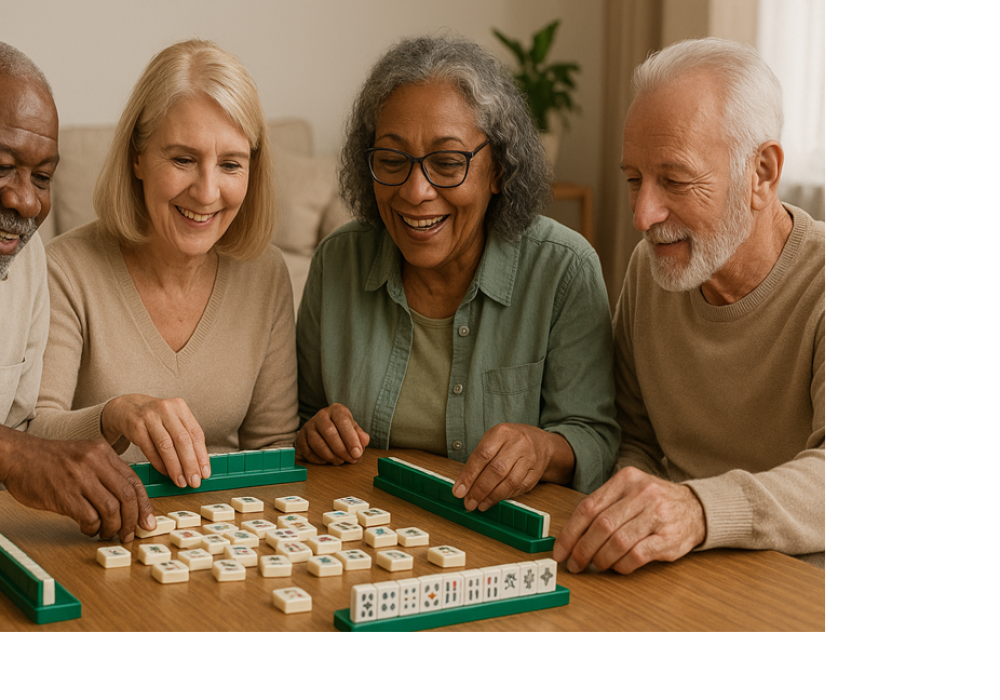
Game nights are experiencing a major revival among older adults—and for good reason. Beyond the laughter and friendly competition, game nights offer powerful social, emotional, and cognitive benefits. Whether enjoyed in a senior center, an independent living community, an assisted living setting, or at home while aging in place, structured game gatherings help seniors stay mentally sharp and socially connected while creating joyful moments of engagement. Whether aging in place, or residing in a senior living community, Independent living, assisted living or memory care, learn about the benefits of games and how to organize and run a lively game night!
This article explores why game nights are so beneficial, how to set one up, and the best games for fun, relaxation, brain stimulation, and social bonding.
Why Game Nights Matter for Seniors
1. Social Connection & Emotional Well-Being
Loneliness is a growing issue for adults over 60, with research showing strong links between social engagement and mental health. Game nights help seniors:
-
Form new friendships
-
Strengthen existing relationships
-
Reduce isolation
-
Improve mood
-
Create a sense of belonging
-
Build routines that enhance community cohesion
Social play activates dopamine and oxytocin—the “feel-good” neurochemicals associated with reward and bonding—helping foster emotional resilience and relaxation.
2. Cognitive Strength & Brain Stimulation
Many games naturally engage memory, strategy, attention, and reasoning—key areas that typically decline with age. Cognitive benefits include:
-
Strengthened working memory
-
Improved processing speed
-
Enhanced problem-solving abilities
-
Better concentration
-
Stimulated neuroplasticity
Research from the National Institute on Aging and AARP notes that mentally engaging activities can help slow cognitive decline and support healthier aging.
Resources:
-
National Institute on Aging Cognitive Health: https://www.nia.nih.gov/health/cognitive-health
-
AARP Brain Health Resources: https://www.aarp.org/health/brain-health/
3. Stress Reduction & Relaxation
Games promote calm, laughter, and playfulness—powerful antidotes to stress and anxiety. Low-pressure games especially help seniors unwind in a group setting, supporting emotional balance and overall wellness.
4. Improved Fine Motor Skills & Coordination
Card games, dice games, and tile-based games can subtly strengthen dexterity and coordination without feeling like “exercise.” This is especially helpful for seniors looking for gentle, enjoyable hand-eye-coordination activities.
How to Set Up a Successful Senior Game Night
Whether you’re organizing a weekly gathering in a community center, assisted living community, senior living wellness program, or hosting right in your home, these steps create a smooth and enjoyable experience.
Step 1: Choose the Right Setting
Pick a location that is:
-
Well-lit
-
Quiet but lively
-
Equipped with tables and comfortable chairs
-
Easily accessible
-
Climate-controlled and safe
Examples:
-
Senior center recreation room
-
Library multipurpose room
-
Clubhouse
-
Your own dining room or living room
-
Assisted living community lounge
Step 2: Set a Recurring Schedule
Consistency helps build participation. Examples:
-
Every Tuesday at 6 p.m.
-
The first and third Friday of each month
-
Sunday afternoons for low-key, relaxing games
Make sure the time does not conflict with major meal times or community events.
Step 3: Provide Easy Snacks & Drinks
Keep food simple, safe, and not messy. Ideal options include:
-
Finger sandwiches
-
Fruit slices
-
Crackers and cheese
-
Herbal tea, lemonade, or infused water
Avoid foods that may stain cards or game boards.
Step 4: Consider Group Size & Accessibility
Plan games around the group’s needs:
-
Have options for 2–8+ players
-
Choose games with large print or senior-friendly components
-
Avoid overly complex rule sets
-
Provide cardholders for hand-strength limitations
-
Consider inclusive seating arrangements for wheelchairs or walkers
Step 5: Start With an Icebreaker Game
Quick, simple games help warm up the group and encourage conversation. Good icebreaker games include:
-
LCR (Left Center Right)
-
Bingo
-
Scattergories
-
Uno
-
Qwirkle
Step 6: Rotate Game Types
A well-rounded game night includes a mix of:
-
Strategy games
-
Word games
-
Memory games
-
Light party games
-
Dice or card games
-
Cooperative games
This keeps the experience fresh and engaging for everyone.
Step 7: Create a Welcoming Atmosphere
Use small touches to make the night feel special:
-
Background music
-
Tablecloths
-
Snacks in bowls
-
Warm greetings at the door
-
“How to play” cards or printed rules
The goal is comfort, connection, and fun—not competition.
Best Games for Seniors: Fun, Relaxation, Social Cohesion & Brain Stimulation
Here are top recommendations across categories to support emotional, social, and cognitive wellness.
1. Best Social & Relaxation Games
These create laughter, bonding, and easy conversation:
-
Bingo – Universal, accessible, and confidence-boosting
-
LCR – Fast-paced, minimal rules, great for large groups
-
Uno – Light strategy with playful interactions
-
Dominoes – Relaxing, tactile, and social
-
Yahtzee – Simple dice rolling with friendly competition
-
Wits & Wagers – Great team-based trivia guessing
2. Best Brain-Boosting Strategy Games
These strengthen memory, attention, logic, and executive function:
-
Rummikub – Excellent for sequencing, memory, and multi-step planning
-
Qwirkle – Pattern recognition and spatial reasoning
-
Sequence – Strategy plus luck, easy to learn
-
Ticket to Ride – Planning and route building
-
Chess or Checkers – Classic logic games
For advanced thinkers:
-
Catan (simplified rules)
-
Carcassonne
3. Best Word & Memory Games
Great for language, cognition, and recall:
-
Scattergories
-
Boggle
-
Scrabble or Super Scrabble
-
Taboo
-
Code Names (family edition)
-
Memory Match (can adapt to themes: nature, travel, holidays)
4. Cooperative Games (Perfect for Group Cohesion)
These games promote teamwork rather than competition:
-
Pandemic (simplified rules)
-
Forbidden Island
-
Hanabi
-
Mysterium
Cooperative play is especially helpful in assisted living or senior living settings to build positive group bonds.
5. Gentle Games for Seniors With Cognitive Changes
For early memory changes, dementia, or mild cognitive impairment (MCI):
-
Simple Bingo
-
Picture Dominoes
-
Matching Games
-
Large-print playing cards
-
Easy jigsaw puzzles
Resources:
-
Senior-friendly games: https://www.goldencarers.com
-
Dementia activity ideas: https://www.alz.org/help-support/resources
Final Tips for a Successful Senior Game Night
-
Keep rules simple
-
Celebrate small wins
-
Encourage teamwork
-
Rotate tables so people meet new friends
-
Keep the atmosphere joyful and low-pressure
-
Ask participants for suggestions and preferences
-
Maintain consistency—routine increases turnout
Game nights are more than entertainment—they’re a wellness practice that strengthens minds, hearts, and community bonds.