Latest Health Drinks and Mocktails: Safe Alcohol Alternatives for Seniors
The Latest Health Drinks and Energy Mocktails for Seniors: Safe Alcohol Alternatives
In recent years, alcohol-free beverages have moved far beyond the standard soda or sparkling water. Innovative drinks like Uni and similar functional beverages are now designed to replicate the social feel of cocktails, while also claiming to boost health, memory, energy, and longevity. For seniors—especially those in independent living, assisted living, and memory care—these alternatives can be both appealing and concerning. Let’s examine their ingredients, health benefits, and potential risks. This article is informational only and not intended to replace medical advice from your doctor or healthcare provider. Always check with your medical professional before consuming anything that may interact with medications or pose a helth risk.
The Rise of Functional Mocktails
Alcohol-free drinks once meant sugary “mocktails” or bland substitutes. Now, brands like Uni, Kin Euphorics, Three Spirit, and De Soi are creating sophisticated beverages infused with nootropics, adaptogens, amino acids, and botanicals. These drinks aim to mimic the relaxing, social effects of alcohol without the downsides of hangovers, liver damage, or impaired judgment.
For seniors, who may be more vulnerable to alcohol-related falls, interactions with medications, or long-term liver stress, these new beverages may feel like a safer choice. However, the safety of ingredients for older adults must be carefully reviewed.
Key Ingredients Found in Alcohol Alternatives
1. Adaptogens (Ashwagandha, Rhodiola, Ginseng)
-
Claimed Benefits: Stress reduction, better mood, improved resilience.
-
Risks: Ashwagandha may lower blood pressure or interact with thyroid medications. Ginseng can overstimulate and affect blood sugar.
2. Nootropics (L-Theanine, 5-HTP, GABA, Lion’s Mane Mushroom)
-
Claimed Benefits: Improved memory, reduced anxiety, enhanced focus.
-
Risks: Can interfere with prescription antidepressants, anti-anxiety medications, or sedatives. May overstimulate those with genetic variations like COMT or MTHFR.
3. Botanicals and Herbal Extracts (Green Tea, Turmeric, Ginger, Hibiscus)
-
Claimed Benefits: Antioxidant and anti-inflammatory support.
-
Risks: Green tea contains caffeine, which may disturb sleep or raise blood pressure in sensitive individuals.
4. Natural Sweeteners (Stevia, Monk Fruit, Erythritol)
-
Claimed Benefits: Calorie-free sweetness, helpful for weight management.
-
Risks: Some sugar alcohols can cause bloating or digestive discomfort, which is more common in seniors with slower digestion.
Benefits for Seniors
1. Longevity and Inflammation
Many of these beverages highlight anti-inflammatory and antioxidant compounds, which can support healthy aging. Turmeric and polyphenols (from berries or hibiscus) have been linked to reduced inflammation and improved cardiovascular health 【Harvard Health Publishing – Inflammation and aging】.
2. Brain and Memory Support
Ingredients like L-theanine, GABA, and Lion’s Mane are marketed for memory and brain health. While some research supports Lion’s Mane for mild cognitive support, results are still preliminary 【National Library of Medicine – Lion’s Mane and cognitive health】.
3. Weight Management
Replacing alcohol with low-calorie mocktails reduces empty calories from wine, beer, or spirits. This can help seniors manage weight, which is linked to lower risk of diabetes and heart disease.
4. Social Engagement Without Risk
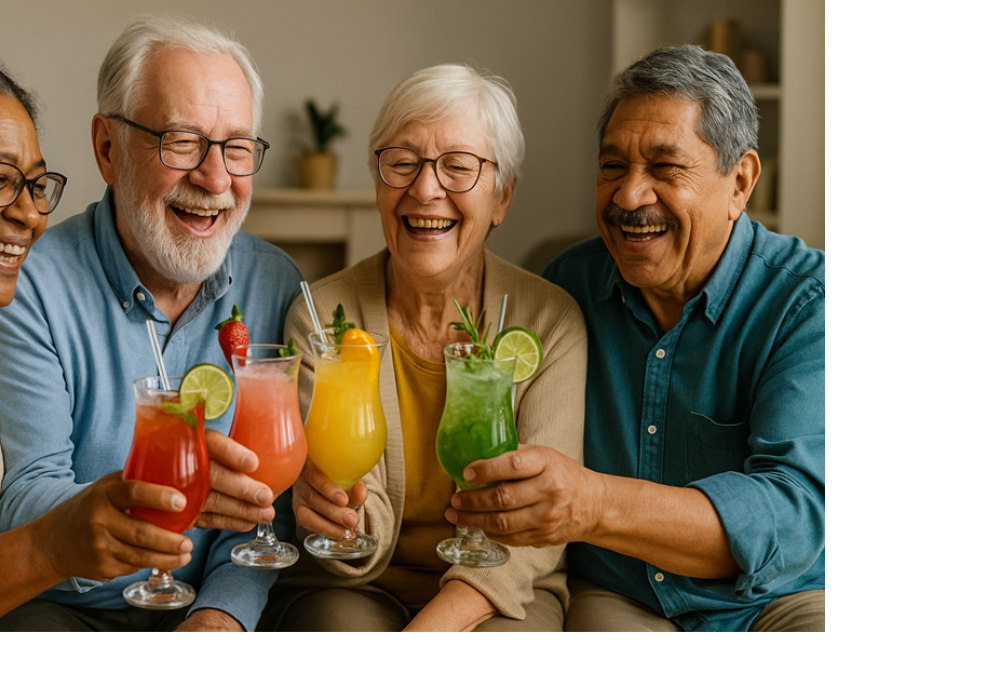
For seniors in independent living or assisted living, enjoying a fun, alcohol-free beverage at social events helps maintain community and connection, without the dangers of alcohol-related accidents.
Potential Health Risks
Despite their trendy marketing, these beverages aren’t universally safe. Seniors should be mindful of:
-
Drug Interactions:
-
Ashwagandha can intensify sedatives.
-
Rhodiola may interfere with antidepressants.
-
Green tea can reduce effectiveness of blood thinners like warfarin.
-
-
Overstimulation:
-
Caffeine or nootropic blends may cause jitters, insomnia, or heart palpitations.
-
-
Digestive Sensitivity:
-
Sugar alcohols and plant extracts may cause bloating or GI discomfort.
-
-
Unknown Long-Term Effects:
-
Many ingredients have limited research on seniors, especially in combination with medications.
-
Practical Tips for Seniors
-
Read labels carefully: Check for caffeine, herbs, and sweeteners.
-
Start small: Try half a serving to test tolerance.
-
Ask your doctor: Especially important for those in memory care or with multiple prescriptions.
-
Stay hydrated: Use these as supplements for soda or alcohol replacements, not water replacements.
-
Use in moderation: Even “healthy” drinks can overload your system if consumed excessively.
Are These Drinks Safe for Seniors?
For many seniors, functional mocktails can be a fun, healthier alternative to alcohol. However, “healthy” does not mean risk-free. Seniors in assisted living and memory care should be particularly cautious, as they are more likely to be on multiple medications.
These beverages may best serve as an occasional treat, offering the social ritual of a cocktail without alcohol’s well-known harms. Used wisely, they can be an enjoyable part of a longevity-focused lifestyle.
Helpful Resources
-
National Institute on Aging – Alcohol and Seniors
-
Harvard Health – Inflammation and Aging
-
PubMed – Lion’s Mane Mushroom and Cognitive Function
-
Cleveland Clinic – Adaptogens Explained
✅ Bottom line: Health-focused mocktails like Uni are exciting innovations that can support wellness, memory, and weight management for seniors. Still, they must be approached with care, awareness of possible interactions, and medical guidance.