Benefits of Heat Therapy for Seniors: Sauna, Steam Rooms & Hot Tubs (Safety Guide)
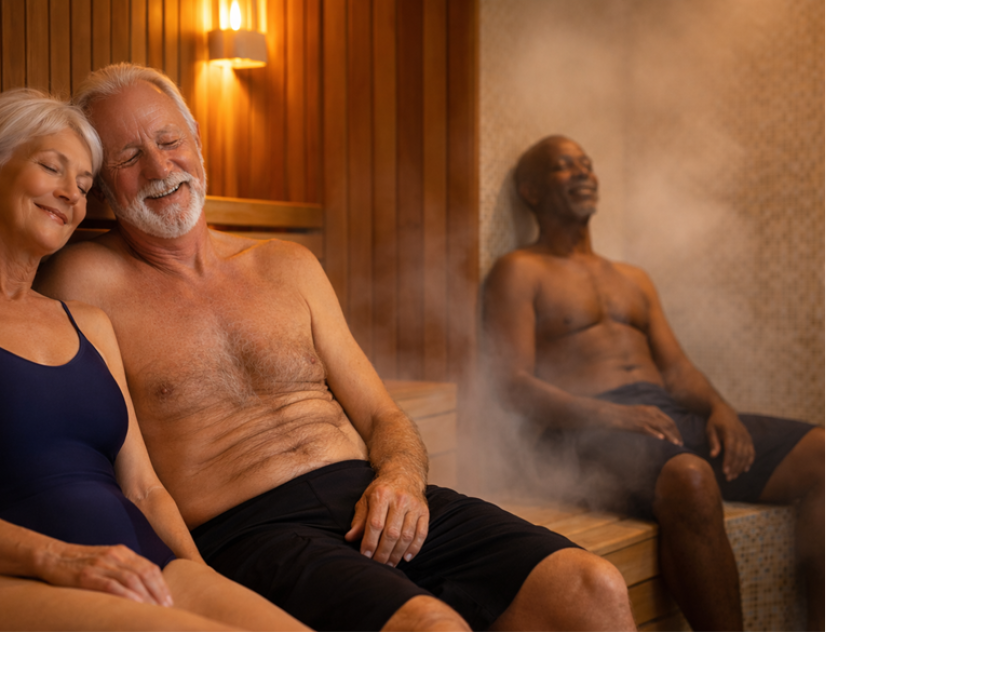
Benefits of Heat Therapy for Seniors: Saunas, Steam Rooms, and Hot Tubs—What You Need to Know
Heat therapy is one of the oldest “wellness tools” on the planet—and it’s having a modern moment. Saunas, steam rooms, and hot tubs can feel incredible: muscles loosen, joints move more freely, stress melts, and sleep often improves. For many seniors, heat therapy can be a helpful addition to an active lifestyle, especially when exercise is limited by arthritis, stiffness, or chronic pain.
But heat is also a real physiological stressor. It changes blood pressure, heart rate, hydration status, and body temperature regulation—systems that can become more vulnerable with age. The goal is to get the benefits without pushing into danger.
Whether aging in place, residing in seniour living, assisted, independent living or memory care, below is a practical, senior-focused guide to the science-backed upsides, the biggest risks, and the safest way to incorporate heat therapies into your routine. DISCLAIMER: This is informational only, and not intended to be medical advice or an endorsement. Always check with your medical advisor or doctor before making any changes to your wellness routine or healthcare.
Why heat therapy can help (what your body is doing)
When you sit in a sauna, steam room, or hot tub, your body responds by:
-
Widening blood vessels (vasodilation) to release heat, which can temporarily lower blood pressure
-
Increasing heart rate—sometimes similar to a light-to-moderate walk, depending on temperature and duration
-
Triggering sweating (less so in humid steam rooms, more in dry saunas), which can shift fluids and electrolytes
-
Relaxing muscles and connective tissue, often reducing pain and stiffness
-
Activating the “relaxation response,” which can calm stress physiology and support sleep
These effects are why heat therapy can feel like a “passive workout” for circulation—though it does not replace the strength, balance, and bone benefits of real exercise.
Evidence-backed benefits seniors may notice
1) Cardiovascular and circulation support (with important caveats)
Large observational studies from Finland have found that frequent sauna bathing is associated with lower risks of fatal cardiovascular events and all-cause mortality.
A Mayo Clinic Proceedings review also summarizes evidence linking sauna bathing with improvements in cardiovascular risk factors (like blood pressure) and vascular function.
What this means for seniors: If you’re medically stable, sauna bathing may support circulation and vascular health as part of an overall lifestyle plan. But these studies are mostly observational (association, not proof), and many participants were not in the oldest age brackets—so safety and personalization matter.
2) Blood pressure effects
Heat commonly lowers blood pressure due to vasodilation, which can be helpful for some—yet risky for others (more on that below). Sauna + exercise studies suggest potential additional improvements in fitness and blood pressure compared with exercise alone.
Hot tubs may also lower blood pressure during and after soaking, and short exposures have been studied even in people with treated hypertension.
3) Pain relief, mobility, and recovery
Heat can reduce muscle spasm, ease joint stiffness, and make movement feel smoother—especially helpful for osteoarthritis, chronic tightness, or post-workout soreness. Many seniors find that heat before gentle stretching or mobility work improves range of motion.
4) Stress reduction and sleep quality
The calming effect is real. Heat exposure can reduce perceived stress and tension, and the drop in body temperature after you get out may help cue sleepiness. Many people report deeper sleep when heat therapy is done earlier in the evening (not right at bedtime if you’re prone to overheating).
Seniors’ safety checklist: who should be cautious (or skip it)
Heat is not “one-size-fits-all.” Extra caution is warranted if you have:
-
Low blood pressure, frequent dizziness, or history of fainting
-
Unstable heart disease (recent chest pain, recent heart attack, uncontrolled arrhythmias, decompensated heart failure)
-
Uncontrolled high blood pressure
-
Significant valve disease (ask your cardiologist)
-
Kidney disease, or you’re prone to dehydration
-
Diabetes with neuropathy (reduced heat sensation increases burn/overheat risk)
-
Cognitive impairment (harder to notice warning signs)
-
Acute illness, fever, or infection
Older adults are generally more vulnerable to heat-related illness and dehydration, so safety habits matter even if you’re healthy.
Medication and lifestyle “gotchas” seniors should know
Heat and certain meds can combine to increase dizziness or overheating risk. Ask your clinician if you take:
-
Diuretics (“water pills”) – dehydration risk
-
Blood pressure meds (especially vasodilators, alpha blockers)
-
Nitrates (for chest pain)
-
Sedatives (reduced awareness of symptoms)
And one big rule:
Avoid alcohol before or during heat therapy. It can worsen dehydration and increase the risk of fainting when you stand up.
Practical safe-use guidelines (sauna, steam, hot tub)
A safe “starter plan” for most medically-stable seniors
-
Start low and slow: 5–10 minutes your first few sessions
-
Temperature: use a moderate setting when possible
-
Frequency: 2–3 times/week to start
-
Hydrate: water before and after (don’t “chug,” just steady intake)
-
Cool down gradually: sit or stand slowly; avoid sudden cold plunges at first
-
Never use heat therapy alone if you’re prone to dizziness—bring a buddy or choose staffed facilities
Sauna (dry heat)
Dry saunas can produce heavy sweating and significant fluid loss. Research reviews discuss sauna’s cardiovascular effects and similarities to moderate exercise stress.
Tips:
-
Sit on a lower bench (cooler) at first
-
Limit to 10–15 minutes unless you’re well-adapted and your clinician agrees
-
Stand up slowly; blood pressure can drop after heat exposure (especially when exiting)
Steam rooms (humid heat)
High humidity makes it harder for sweat to evaporate, so some people overheat faster. Many consumer health sources advise shorter sessions and emphasize dehydration risk.
Tips:
-
Shorter is better (often 5–10 minutes)
-
If you feel “smothered” or lightheaded, exit immediately
Hot tubs / whirlpools
Hot tubs combine heat with immersion. That can feel wonderful for joints, but immersion and heat together can drop blood pressure, especially when you stand up to get out. Cleveland Clinic notes dizziness and fainting risk with prolonged soaks and advises caution for people treated for high blood pressure.
Tips:
-
Keep soaks brief (10–15 minutes)
-
Keep water at a safe temperature (many systems limit around 104°F; lower is often wiser for seniors)
-
Exit slowly, and sit on the edge before standing fully
-
If you’re using a public hot tub, hygiene matters (see next section)
Infection and hygiene risks (especially with public hot tubs)
Warm water environments can harbor germs if poorly maintained. The CDC notes that hot tubs can support Legionella growth (temperature range and aerosols), and it provides prevention guidance.
The CDC also covers “hot tub rash” (Pseudomonas folliculitis) and how to prevent it.
Senior-friendly precautions:
-
Avoid tubs that smell strongly “musty,” look cloudy, or have slimy surfaces
-
Shower after use; remove and wash swimsuit promptly
-
If you develop cough/fever after hot tub use, tell your clinician you used a hot tub within the last 2 weeks
-
Immunocompromised? Prefer private, well-maintained options and ask your doctor first
Warning signs to stop immediately
Exit the heat environment and cool down if you notice:
-
Dizziness, nausea, headache
-
Chest discomfort, unusual shortness of breath
-
Confusion, weakness, or feeling faint
-
Palpitations that feel new or “off”
Heat illness can escalate quickly, and older adults are at higher risk.
The best way to make heat therapy work for you
Heat therapy can be a powerful “comfort + circulation” tool for seniors—especially when used as a complement to movement, strength training, and good sleep habits. The sweet spot is consistent, moderate exposure and a safety-first approach: short sessions, good hydration, slow transitions, and smart medical guidance if you have heart, blood pressure, kidney, or balance concerns