It’s Never Too Late: A Seniors' Guide to Beginning an Exercise Program
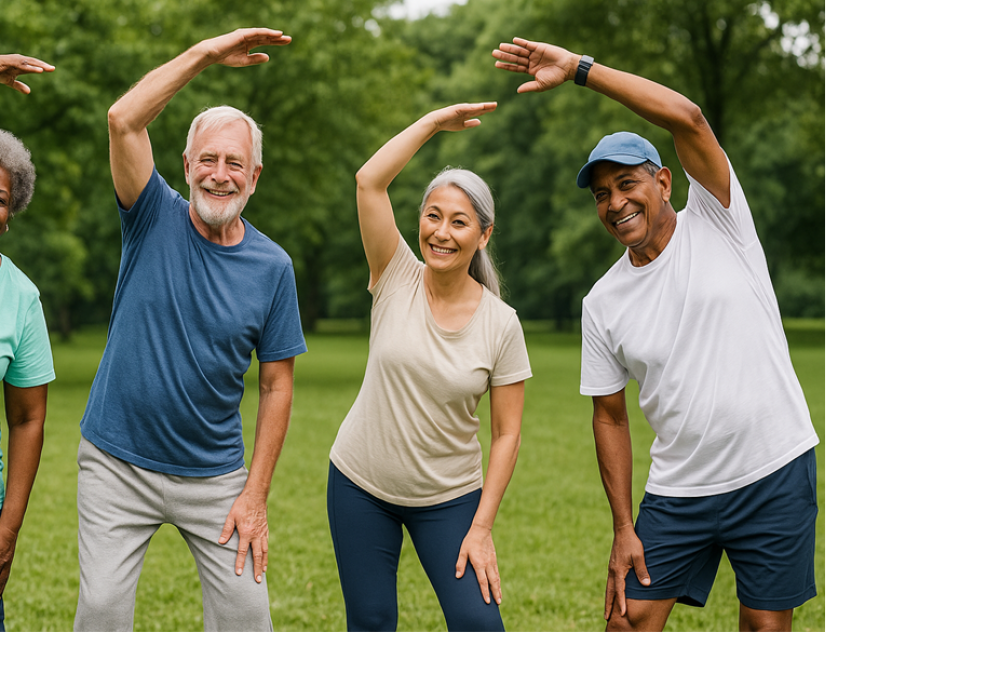
It’s Never Too Late: What Seniors Need to Know About Beginning an Exercise Routine
For many older adults, the idea of starting an exercise program later in life can feel daunting. Perhaps you’ve never been a “gym person,” or you’ve believed that aging automatically means slowing down. The truth is, no matter your age or background, it’s never too late to begin moving your body—and the rewards can be life-changing. Exercise can transform not only your physical health but also your mood, balance, sleep, and confidence. Whether aging in place, or residing in assisted living, independent living or memory care communities, this article can help you learn more and get started safely. Disclaimer: This article is for informational purposes only, never begin any new routine without first consulting your Doctor or licensed medical professional.
Why Movement Matters More Than Ever
After age 50, the body naturally begins to lose muscle mass (a process called sarcopenia) and bone density. Joint stiffness, slower metabolism, and changes in circulation can also creep in. The good news? Regular movement reverses many of these changes.
Exercise:
-
Improves strength and stability: Strength training rebuilds muscle tissue, reduces fall risk, and supports mobility.
-
Enhances heart health: Even gentle aerobic exercise strengthens the cardiovascular system and lowers blood pressure.
-
Boosts mood and cognition: Movement releases endorphins and improves circulation to the brain, which helps sharpen memory and lift depression.
-
Supports independence: Staying strong and flexible allows you to keep doing what you love—gardening, traveling, or playing with the grandkids.
-
Improves sleep and energy: Active seniors often report deeper rest and greater stamina throughout the day.
The Centers for Disease Control and Prevention (CDC) recommends at least 150 minutes of moderate activity each week, but how you reach that number can be uniquely your own.
The Science of Starting Late
Research continually confirms that older adults who begin exercising later in life can experience profound benefits—even if they’ve never exercised before.
A 2023 study published in JAMA Network Open found that participants who started exercising after age 60 reduced their all-cause mortality risk nearly as much as those who had been active since middle age. Similarly, the Harvard Alumni Health Study revealed that men who began exercising after retirement experienced as much as a 23% reduction in heart disease risk.
In short, you don’t need a lifetime of workouts to enjoy the benefits—you just need to start.
How to Begin Safely
Before starting, talk with your healthcare provider—especially if you have chronic conditions such as arthritis, diabetes, or heart disease. Most doctors encourage gentle movement and can guide you toward safe limits.
Then, follow these steps:
-
Start slow. If you haven’t exercised in years, even a 10-minute daily walk counts. Gradually increase your time and intensity.
-
Warm up and cool down. A few minutes of light movement and stretching protect joints and muscles from strain.
-
Mix it up. Combine different types of exercise to work your heart, muscles, and flexibility. Variety prevents boredom and overuse injuries.
-
Listen to your body. Slight soreness is normal, but sharp pain, dizziness, or shortness of breath are signs to stop and rest.
-
Be consistent. Small, daily habits are more powerful than occasional intense efforts.
Best Exercise Types for Late Starters
1. Walking:
Walking remains the simplest and most accessible form of exercise. It strengthens the heart, improves balance, and reduces stress. Start with 10–15 minutes a day and work up to 30. Choose comfortable shoes and safe, level paths.
2. Strength Training:
Lifting light weights, using resistance bands, or even body-weight movements like squats and wall push-ups can rebuild muscle and protect bones. Aim for two to three sessions per week, resting between them.
3. Yoga and Pilates:
These gentle disciplines increase flexibility, posture, and core strength. They also promote mindfulness and calm. Chair yoga or beginner’s classes are ideal for those with joint limitations.
4. Swimming or Water Aerobics:
Buoyancy reduces joint stress while allowing you to work your entire body. Many community centers and YMCAs offer senior-friendly pool classes.
5. Tai Chi and Balance Work:
Slow, flowing movements improve coordination and reduce the risk of falls. Studies show Tai Chi enhances both physical and cognitive function.
6. Functional Fitness:
Focus on exercises that mimic real-life movements—getting up from a chair, carrying groceries, reaching overhead. These keep daily tasks easier and safer.
Mindset: The Most Important Muscle
The biggest barrier isn’t usually the body—it’s mindset. Seniors often believe it’s “too late” to start or fear embarrassment at the gym. But fitness doesn’t belong to any age group. It’s about investing in your ability to live fully.
Try reframing movement as self-care, not punishment or performance. You’re not competing with younger athletes—you’re nurturing your own vitality. Celebrate progress: walking farther than yesterday, sleeping better, or feeling steadier on your feet.
Building confidence through movement often sparks momentum in other areas—improved diet, better social connection, and renewed purpose.
Community and Accountability
Group classes designed for seniors—such as SilverSneakers, community center yoga, or mall-walking clubs—create structure and social support. Studies show that older adults who exercise with peers are far more likely to stick with it long-term.
If you prefer solitude, there are excellent online programs for older beginners, many offering chair workouts or virtual trainers. Some Medicare Advantage plans even cover fitness memberships and classes.
Having a workout buddy—a friend, neighbor, or spouse—can keep motivation strong and turn exercise into a shared joy.
Adapting to Physical Limitations
Arthritis, joint replacements, and balance issues don’t have to stop you. Adaptive tools like walking poles, seated exercise programs, and gentle aquatic workouts make movement accessible for everyone.
If pain or stiffness occurs, focus on range-of-motion exercises before strength training. Heat therapy, stretching, and slow progression are your allies. Remember, the goal is movement, not perfection.
Physical therapists can design safe programs for chronic pain or mobility challenges. Even ten minutes of gentle exercise daily can bring noticeable improvement.
Nutrition and Recovery
Fueling your body properly supports recovery and energy. Seniors often need more protein to maintain muscle—about 0.8 to 1 gram per pound of body weight daily, depending on activity level. Hydration is also critical, as thirst perception decreases with age.
After workouts, stretching and rest days allow muscles to repair and grow stronger. Magnesium, omega-3s, and antioxidants from colorful fruits and vegetables support recovery and reduce inflammation.
The Emotional Payoff
Exercise isn’t just about strength—it’s about joy. Many older adults report feeling more connected to life after adopting movement routines. Endorphins lift mood, balance hormones, and even reduce anxiety or loneliness.
Movement also enhances neuroplasticity—the brain’s ability to adapt and form new pathways. Regular exercise has been shown to slow cognitive decline and improve executive function, memory, and problem-solving skills.
In essence, exercise keeps both body and mind young.
Where to Begin
Start simple:
-
Take a 10-minute walk after breakfast.
-
Try a beginner yoga video online.
-
Do gentle stretches while watching TV.
-
Sign up for a senior fitness class at your community center.
Set one small goal each week—then build upon it. Over time, your energy, balance, and confidence will grow.
A Final Word: Movement Is Medicine
Whether you’re 60 or 90, beginning an exercise routine can be one of the most empowering decisions of your life. The body thrives on movement. Muscles respond. Joints loosen. The heart strengthens. And perhaps most importantly, your spirit lifts.
It’s not about adding years to your life—it’s about adding life to your years.
So put on those sneakers, take a deep breath, and take that first step. Your future self will thank you for it.