
The Truth About Moderate Drinking: What Seniors Need to Know
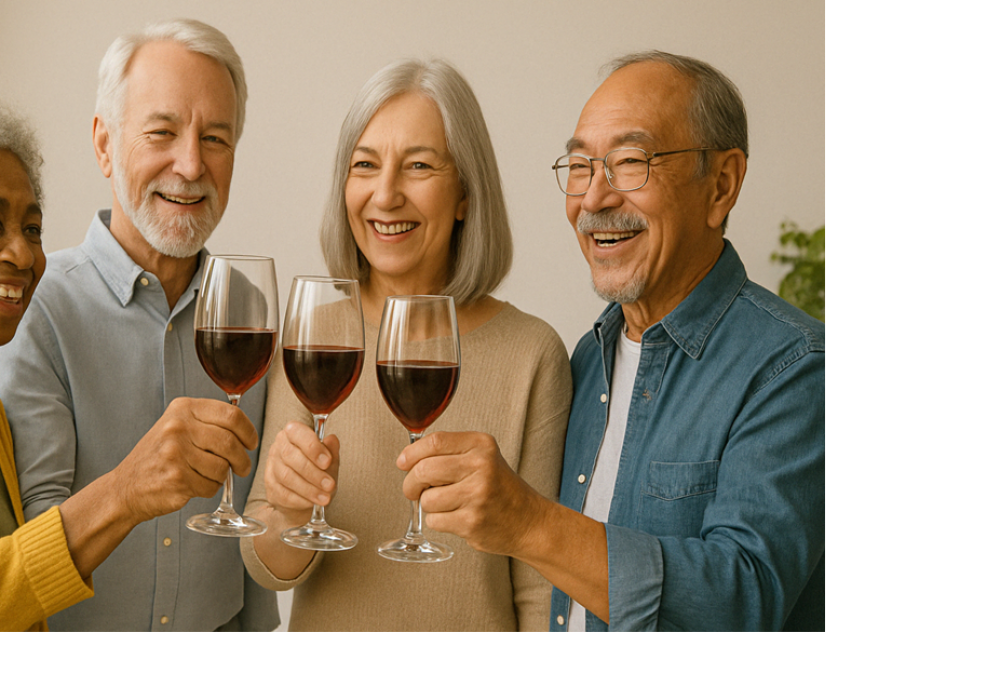
A glass of wine with dinner, a celebratory toast, or a weekend cocktail may seem harmless—even healthy—especially with headlines touting the supposed benefits of moderate drinking. However, recent research is painting a very different picture: even modest alcohol consumption can negatively affect brain health, particularly for seniors.
As we age, the brain becomes more vulnerable to toxins, inflammation, and cognitive decline. Unfortunately, alcohol—even in "socially acceptable" amounts—has been shown to impair memory, decision-making, and emotional regulation. This article explores the latest scientific findings on alcohol as a neurotoxin and outlines the specific risks it poses for older adults.
Alcohol as a Neurotoxin: What the Science Says
Alcohol is classified as a central nervous system depressant and a neurotoxin. This means it disrupts communication between neurons, causes brain inflammation, and interferes with the brain’s ability to repair itself.
Key Study: Alcohol Shrinks the Brain—Even in Moderate Drinkers
A pivotal 2022 study published in Nature Communications found that alcohol consumption was associated with reductions in brain volume—and the effects were most noticeable in older adults. Brain volume loss is directly linked to memory loss, impaired executive function, and increased risk of dementia.
- Even just one to two drinks per day was enough to cause measurable shrinkage.
- Higher alcohol intake accelerated aging of the brain by up to 10 years compared to non-drinkers.
These findings challenge the long-standing notion that moderate drinking is benign or even beneficial.
Risks of Moderate Drinking for Seniors
Older adults metabolize alcohol more slowly, and the brain becomes more sensitive to its effects over time. Here are key reasons why moderate drinking can pose heightened risks for seniors:
1. Impaired Cognitive Function
Alcohol interferes with hippocampal neurogenesis, a process crucial for forming new memories. A 2021 study in The Lancet Public Health journal showed increased dementia risk even in low-level drinkers—especially among older adults.
2. Balance and Fall Risk
Even one drink can impair motor function and reaction time, contributing to falls—the leading cause of injury-related death in seniors. Alcohol can also interact dangerously with medications commonly used by older adults, including antihypertensives, antianxiety drugs, and sleep aids.
3. Mood and Emotional Instability
The aging brain becomes more susceptible to emotional dysregulation. Alcohol disrupts serotonin and dopamine pathways, potentially leading to depression or emotional lability, particularly in those with a history of trauma or mood disorders.
4. Increased Inflammation
Alcohol promotes systemic inflammation, which has been linked to a higher risk of Alzheimer’s disease, cardiovascular problems, and autoimmune flare-ups. Chronic low-grade inflammation is a known contributor to accelerated aging.
5. Liver and Kidney Burden
The liver metabolizes alcohol, but with age, liver efficiency declines. Combined with common medications and age-related renal changes, moderate drinking can lead to toxicity and metabolic strain.
Busting the Myth: Is Red Wine Really Heart Healthy?
The “French Paradox”—the idea that red wine prevents heart disease—has long been cited as a reason to raise a glass. But newer studies question this link. The polyphenols like resveratrol in red wine may offer some benefit, but the quantities are too small to offset alcohol’s risks.
Harvard Health notes that “any potential cardiovascular benefit from moderate alcohol intake is outweighed by cancer risk and brain decline.”
Instead, polyphenols can be obtained more safely from berries, cocoa, and grapes—without the toxic burden of alcohol.
Safer Alternatives for Socializing
The desire to unwind and connect doesn’t have to involve alcohol. Consider these low-risk, senior-friendly options:
- Mocktails with fresh herbs, citrus, and sparkling water
- Non-alcoholic wines or botanical spirits
- Herbal teas, kombucha, or tart cherry juice for relaxation
- Group activities focused on creativity, movement, or games rather than drinking
Senior living communities—including independent living, assisted living, and memory care—are increasingly offering alcohol-free happy hours and wellness events that support brain health without compromising safety.
Practical Tips for Seniors Who Choose to Drink
If seniors do opt to drink occasionally, these tips may help reduce harm:
- Stick to less than one drink per day
- Never mix alcohol with medications unless cleared by a doctor
- Stay hydrated and nourished when drinking
- Avoid alcohol close to bedtime, as it disrupts deep sleep
- Be honest with your healthcare provider about drinking habits
Still, the safest choice—especially for those concerned with brain longevity—is to minimize or eliminate alcohol altogether.
Brain-Protective Habits That Outshine Alcohol
If you're looking for a mood boost, cardiovascular support, or cognitive sharpness, here are brain-boosting alternatives proven more effective than wine or cocktails:
- Aerobic exercise: improves blood flow to the brain and increases BDNF (brain-derived neurotrophic factor)
- Meditation and breathwork: calms the nervous system and enhances emotional regulation
- Polyphenol-rich foods: like blueberries, green tea, and olive oil
- Social engagement: builds cognitive resilience and lowers dementia risk
- Lifelong learning: keeps the brain plastic and agile
Final Thoughts: Rethinking "Just One Glass"
The latest science is clear: no amount of alcohol is truly safe for the brain, especially as we age. While a glass of wine may feel harmless in the moment, the long-term effects on memory, emotional health, and neurological integrity are too significant to ignore.
Seniors deserve clarity and the full picture when making lifestyle choices. Whether aging in place, living in an independent or assisted living community, or navigating memory care, informed choices about alcohol can lead to sharper minds, stronger bodies, and longer, more fulfilling lives.
Resources for Further Reading:
- Nature Communications Study on Alcohol and Brain Shrinkage (2022)
- The Lancet Public Health: Alcohol and Dementia Risk (2021)
- Harvard Health: Red Wine and Heart Health
- NIH: Alcohol's Effects on the Aging Brain

What If We've Been Testing the Wrong Thing?
Sensory decline may not just be a symptom of neurological disease. It may be the cause. Learn how SuperSenses is giving clinics and senior living communities a first-of-its-kind way to test brain input and catch cognitive decline before it starts.

Pain Management for Seniors: Safe, Effective Strategies + New Breakthroughs
Don't let Pain Ruin your Life - Pain Management for Seniors: What you Need to Know Pain is not an inevitable “price of aging,” but it is more common …
Benefits of Heat Therapy for Seniors: Sauna, Steam Rooms & Hot Tubs (Safety Guide)
Benefits of Heat Therapy for Seniors: Saunas, Steam Rooms, and Hot Tubs—What You Need to Know Heat therapy is one of the oldest “wellness tools…

A Seniors Guide to Travel Abroad for Medical Procedures
Medical Tourism for Seniors: What You Need to Know Before Traveling for Care For many retirees, healthcare is one of the biggest expenses in later life. Even with Medicare, supp…